MANAGING ADHD IN THE WINE INDUSTRY:
A Practical Survival Guide
by Marvella Castaneda
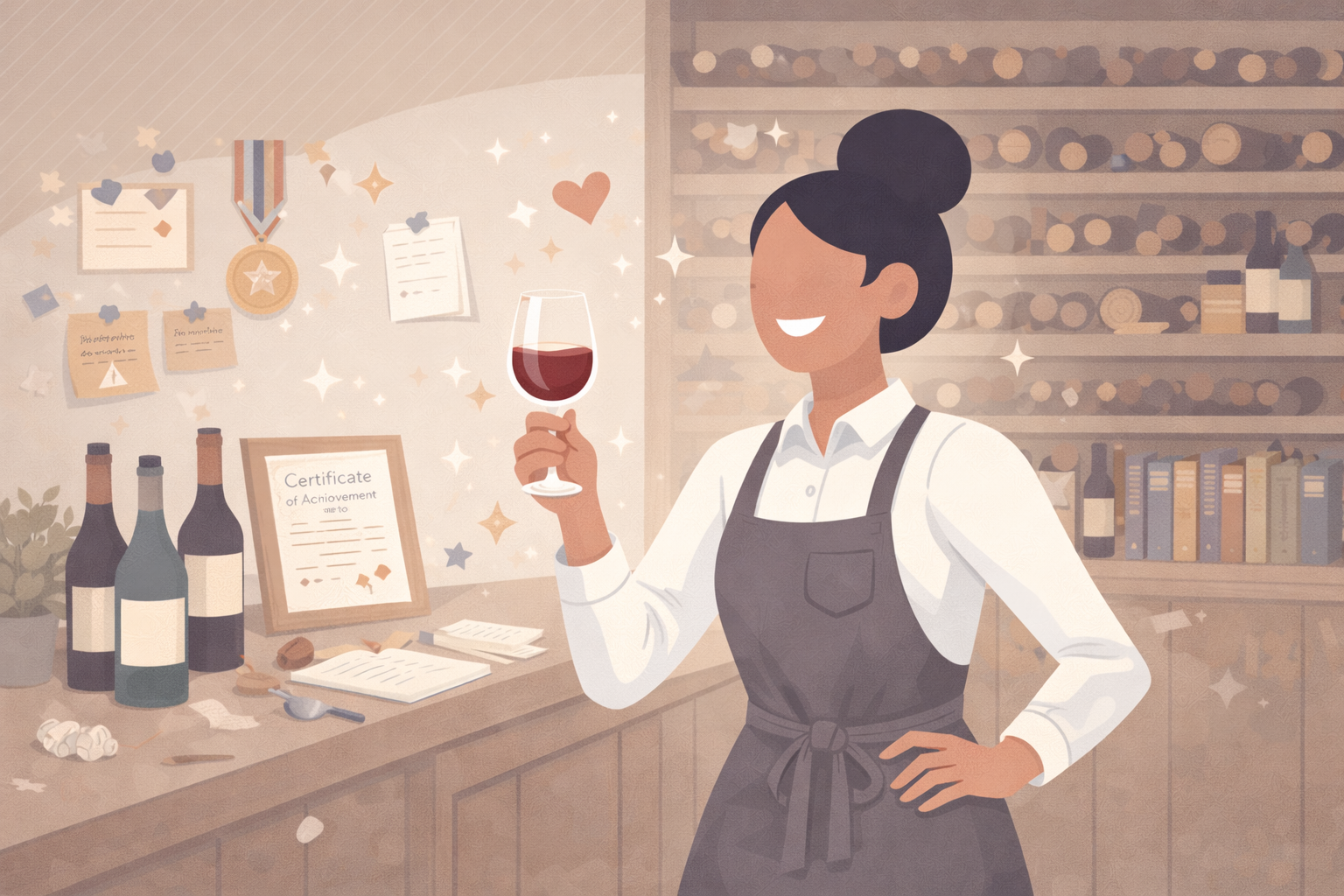
The wine industry attracts a very specific kind of person: pattern-observant, sensory-driven, detail-obsessed, wildly creative, and deeply empathetic (and yes, often late). We are obsessed with the stories, flavors, and origins of wine, and our superpower is bringing all of it together so the guest can experience that same emotion. It’s an industry where passion is the currency, and doing a little too much is the sacrifice that is often normalized or even romanticized. It’s also an industry where ADHD can quietly thrive or quietly struggle, especially when it goes undiagnosed or untreated.
For a long time, I thought my intensity was just ambition. I assumed my exhaustion was a personal weakness. If I were more disciplined, more consistent, more “normal,” everything would feel easier, and I’d finally catch up with life. Last year, I focused on understanding ADHD and why balancing a demanding career with studying felt so much harder for me than it seemed to be for others. This year, I realized how ADHD influenced my career and professional relationships. Approaching ADHD as a neurodevelopmental disability in the workplace is what finally made things click, but it also required some uncomfortable adjustments. If I could go back and give myself a survival guide, this would be it.
You are not lazy or dumb; you’re on a different operating system.
Having ADHD isn’t being slow or lacking intelligence. It isn’t even about having “superpowers,” as people sometimes like to frame it. It’s a difference in how the brain regulates attention, motivation, time, emotion, and energy. ADHD is dysregulation in dopamine and norepinephrine chemicals. Dopamine plays a key role in motivation, focus, and reward processing, while norepinephrine helps maintain alertness and attention. People with ADHD deplete these systems more quickly or struggle to activate these when needed. This can look like struggling to get out of bed, procrastinating projects, or feeling stuck before even starting a task. For years, these patterns were often dismissed as laziness or depression (which, to be fair, can coexist). For some, ADHD can also cause rapid swings between hyperfocus and inattentive blankness.
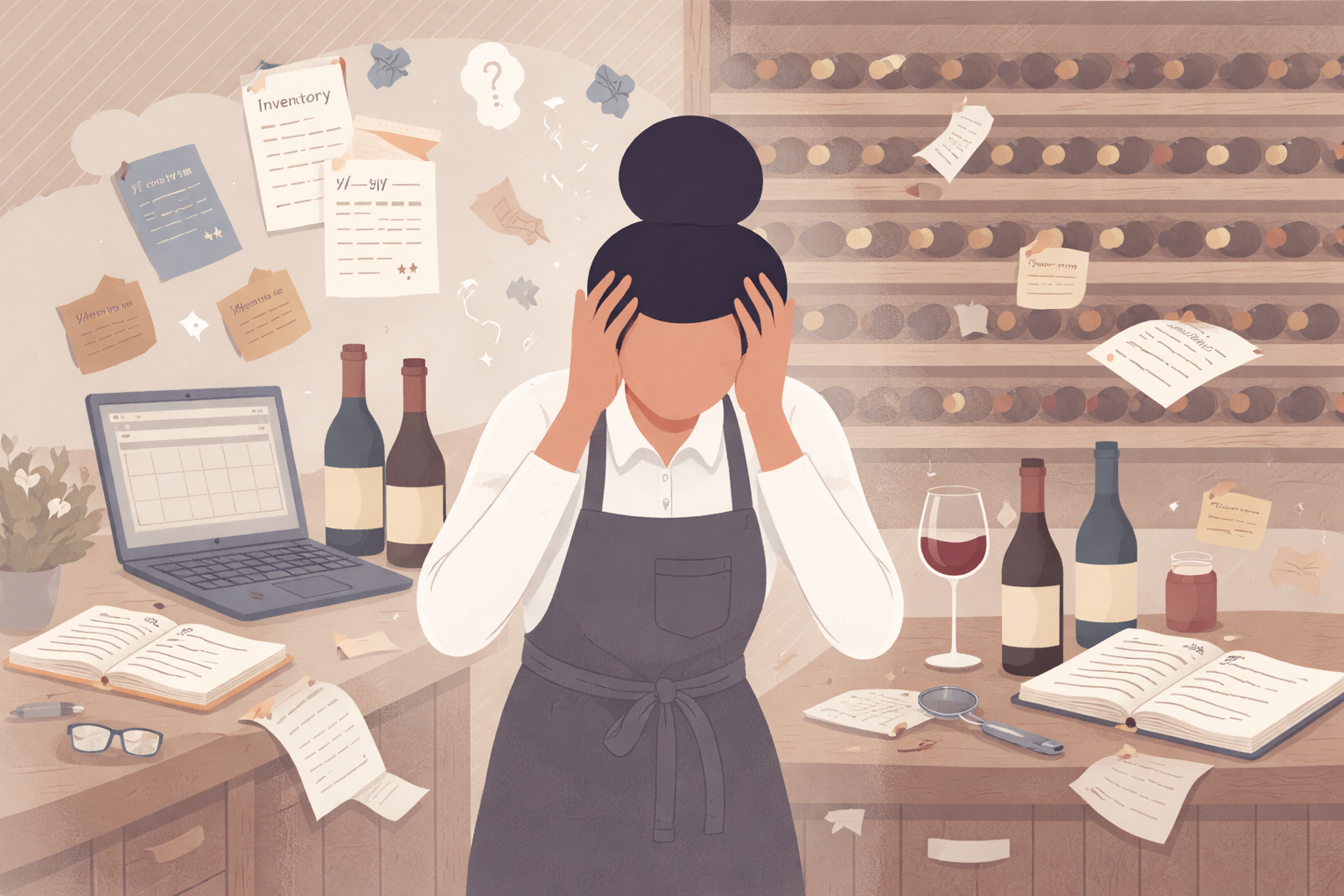
In the wine world, this can look like:
Struggling to switch between service, admin, education, and leadership without mental fatigue
Avoiding small tasks until they feel urgent or emotionally charged
Internalizing feedback more deeply than intended, even when it’s neutral
Hyper focusing for hours on wine lists, cellar organization, or event planning
Struggling to prioritize emergencies versus responsibilities (theirs versus yours)
Feeling highly productive one day and completely overwhelmed the next
Setting impossibly high expectations and falling into imposter syndrome
Making real progress while the goalposts seem to move or change
Having no emotional or mental energy left by the end of every shift
The hardest truth is that ADHD often comes with deep internalized shame. You see your talent clearly, but you can’t always control when or how it shows up. So, you compensate by working harder, staying later, taking on more, and constantly raising the bar. The next step is usually burnout. Many people with ADHD develop perfectionism as a survival strategy. If you’re exceptional enough, no one notices where you struggle. (Okay, I’m calling myself out.)
In hospitality and wine, that can mean:
Saying yes to everything, assuming it’s all a test
Taking responsibility before you’re asked, priding yourself on being self-sufficient
Over-preparing to avoid being caught off guard
Measuring your worth by output rather than sustainability
Eventually, the pressure becomes unsustainable. Burnout isn’t a sign that you’re failing, it’s a sign your system needs support and balance.
ADHD means you need a different route to get to the same destination.
Calling ADHD a disability doesn’t mean you’re broken. It means your brain requires different tools, not more willpower or stronger medication. Medication will provide the energy to start, but it doesn’t automatically guarantee follow-through or structure.
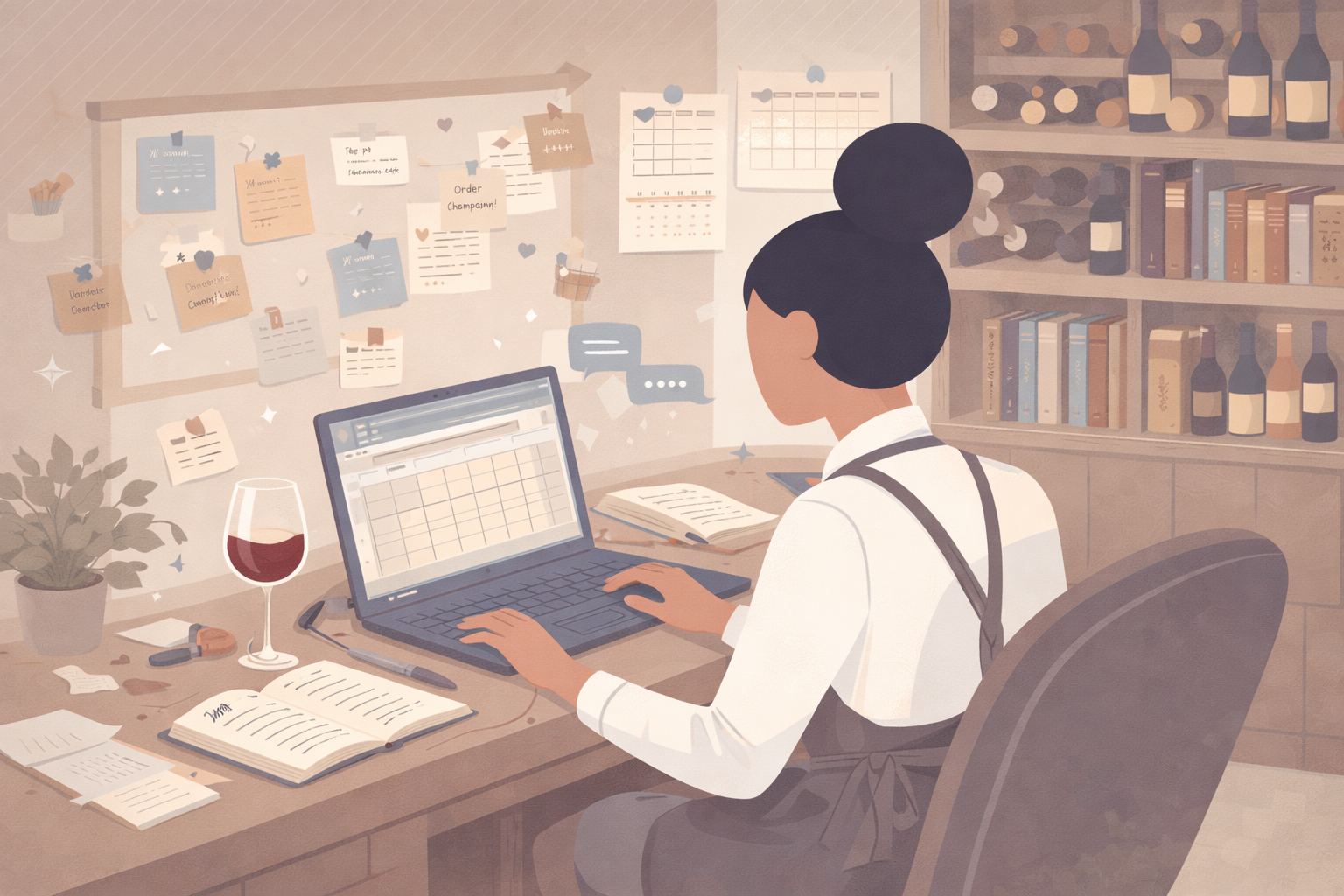
Once I stopped asking, “Why can’t I do this like everyone else?” and started asking, “What environment allows me to do my best work?”, everything shifted.
Here are some steps to build this environment:
1. Build systems, not habits
Relying on memory is a trap. Externalize everything into calendars, checklists, templates, or recurring reminders. Consistency comes from structure, not motivation. Excel is your best friend, and it can do far more than numbers and inventory!
2. Protect your hyperfocus
Hyperfocus is a gift when used intentionally. Schedule focused work on a visible calendar and defend it like a meeting or mandatory shift. Sometimes that means spending an entire day editing, creating, and publishing without interruption.
3. Separate creativity from administration
Trying to do both at once is exhausting. Batch administrative tasks when your energy is lower and save creative or sensory work for when your brain is sharp. It’s easy to start hating your creativity and passion for wine when it adds to your exhaustion.
4. Redefine productivity
Productivity isn’t linear. Some days you’ll produce brilliance; other days you’ll maintain systems. Protect your systems but also set timelines for projects so that you stop wanting to do all of them all at once.
5. Ask for support earlier than feels comfortable
ADHD often convinces us we should handle everything ourselves. Support isn’t weakness, it’s how you succeed. One thing that’s helped me is logging daily activities in a journal or Word document. Looking back makes patterns visible, and transparency helps others understand the scope of what you’re carrying.
ADHD says: “I don’t care who you are, you need to learn how to filter.”
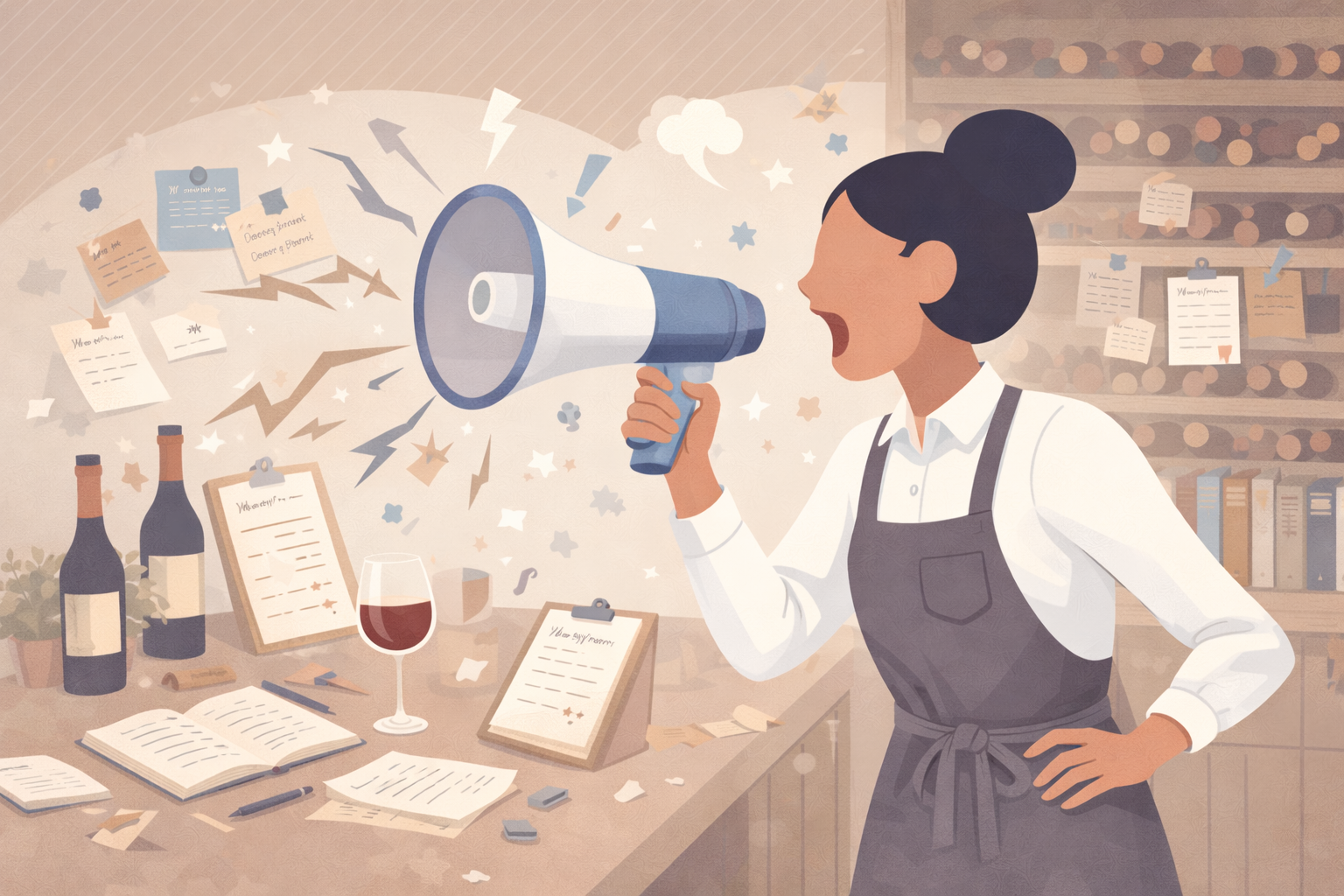
One part of ADHD that doesn’t get talked about enough is how visible it can make you and how that visibility can turn into vulnerability. People with ADHD are often high performers in bursts. We’re enthusiastic, ideas-forward, generous with our energy, and deeply invested. But ADHD traits are easily misinterpreted. Passion can read as intensity. Curiosity can look like overstepping. Directness can be labeled emotional or difficult. And because we tend to internalize blame, we’re often the first to assume we are the problem. But it’s not you, it’s an environment benefiting from your strengths without understanding how your mind works or what it needs for balance. Communication is the key to clearing misunderstandings, but with ADHD, what comes out doesn’t always match how clearly it made sense in your head.
In the wine and hospitality industry, you’ll encounter personalities that value control, predictability, hierarchy, and tradition over flexibility and neurodivergence. Learning to filter yourself in these spaces isn’t about being fake. It’s about translating your strengths into a language others can receive. This skill will take you further quicker than certifications or awards. People will remember a negative experience more than a positive one. Fortunately, having ADHD often comes with an almost annoying level of self-awareness, which can make filtering a little easier.
Here are some guidelines for filtering in the workplace:
Lead with structure, not explanation.
You don’t owe anyone a diagnosis or long history of your ADHD journey. Clear timelines, written follow-ups, and defined outcomes reduce friction.Let systems speak for you.
Documentation is protection. Spreadsheets, recaps, and calendars counter assumptions about reliability. Data shows facts, invest in your systems.Read the room before introducing ideas.
Enthusiasm is most effective when it’s matched to how others prefer to receive information. Frame ideas as improvements, not revolutions.Pause before responding emotionally.
Saying it in your headfirst or choosing to respond later in writing can prevent misinterpretation. Respond with facts, not feelings.Choose what to filter, not what to silence.
Not every room wants full access to your creativity and/or process. Overexplaining can come across as challenging. Be direct and easy to understand.Find at least one safe person.
A colleague or mentor who understands how your brain works can ground you. People don’t realize how lonely it is sometimes as a Wine Director or Sommelier, because usually you are the only one in your department and it feels like a tiny island. You’re not management, but you’re not line level. A mentor is vital for your mental health and getting off the island.Seek to understand first.
This is a natural skill, but impulsivity usually wins first. It is important to get the whole story before making assumptions. Pause and ask the right questions.
Remember: misunderstanding isn’t misalignment.
But if you’re constantly explaining, compensating, or apologizing, pay attention.
The goal isn’t to make yourself palatable at all costs. It’s to move strategically, protect your energy, build healthy relationships, and choose environments where you can do your best work long-term.
It’s not a bad thing; but it is the never-ending journey of finding balance.
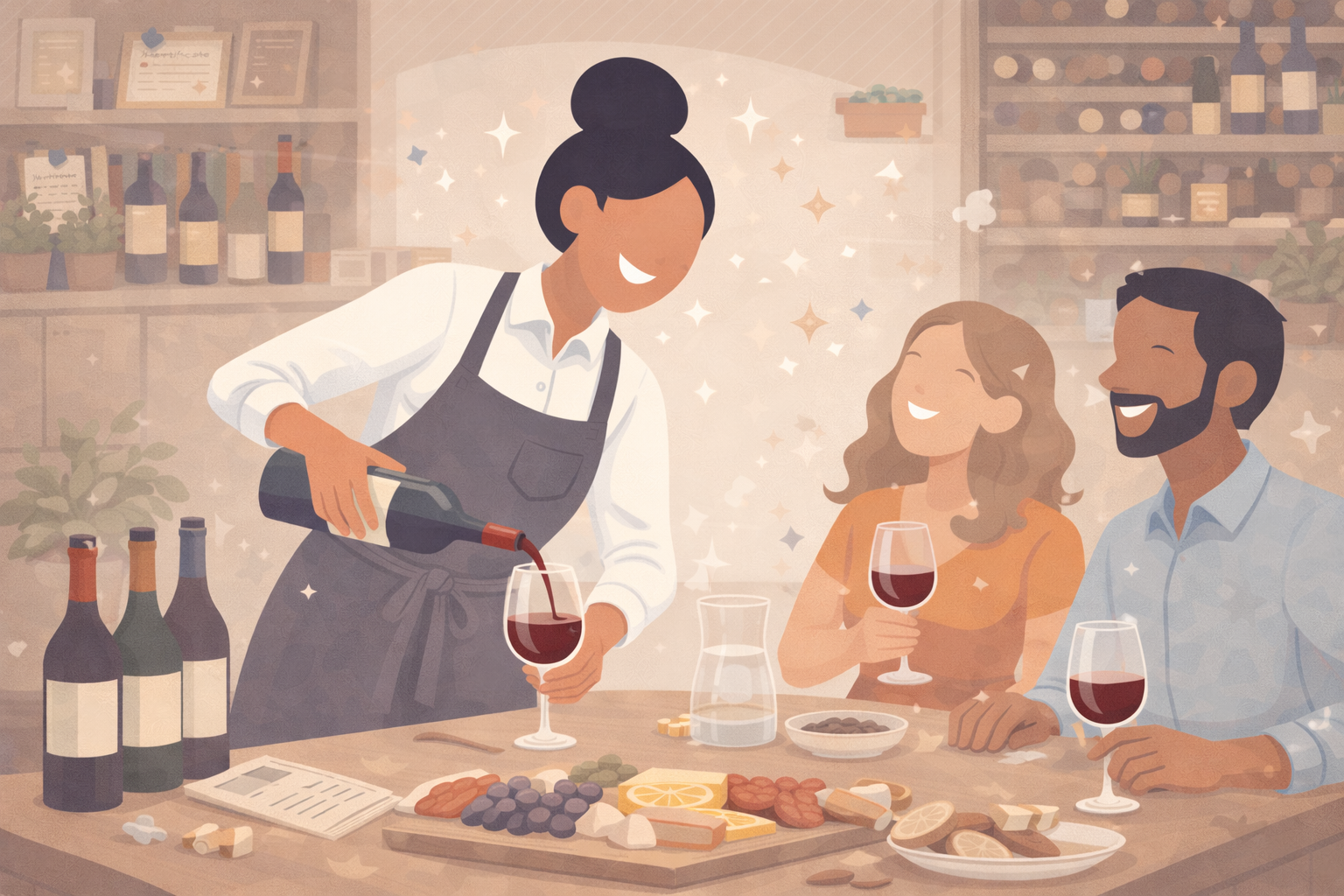
ADHD is why I see patterns quickly. It’s why I can walk into a cellar, a wine list, or a program and instinctively understand what’s missing, what’s redundant, and what doesn’t quite make sense yet. It’s why I connect ideas across regions, producers, history, and food in a way that feels like a unique experience.
It’s why I feel wine so deeply. The sensory awareness that can be overwhelming in everyday life becomes an asset in my job with tasting, pairing, storytelling, and translating emotion into a lasting memory for guests. I don’t just understand wine technically; I experience it emotionally, and that matters in hospitality.
ADHD is also where my creativity lives. It’s the reason I can build programs from scratch, imagine experiences before they exist, and hold both the details and the vision at the same time. It’s the reason I care so much, not just about the wine, but about how people feel when they interact with it.
And maybe most importantly, ADHD makes me deeply empathetic. I notice when people are overwhelmed, disconnected, or unsure. I understand pressure, intensity, and self-doubt because I live with all of it. It is too much often, which is why I’m grateful for my medication which helps me regulate my emotional responses.
I don’t want to romanticize ADHD. It requires structure, boundaries, and constant recalibration. But once I stopped trying to erase it and started learning how to work with it, I realized I wouldn’t trade the way my brain connects, creates, and cares.
ADHD isn’t something I’m grateful for every day, but it is something I’ve learned to respect. And in an industry built on experience, connection, and storytelling, that perspective has become one of my greatest strengths. Learning what you need to coexist with ADHD is how you stop fighting yourself and start building a career that supports the way you think. And when you find a workplace that understands, meets you in the middle, and values both your strengths and your limits, the responsibility shifts to you to do the rest. Build your systems, protect your energy, and advocate for your balance. That partnership is where growth becomes sustainable. That’s how you move from managing ADHD to building a wine career that reflects your full potential.